If you’ve ever spent three hours scrolling through interior design feeds only to end up feeling utterly defeated by your own living room, please know you aren’t alone. I am so tired of the lie that knowing how to keep your house tidy requires a $500 set of matching linen bins and a professional organizer on speed dial. Honestly, most of those “aesthetic” cleaning hacks are just extra work masquerading as lifestyle goals. I’ve spent way too many Tuesday nights staring at a pile of mail and laundry, feeling like a failure because my apartment didn’t look like a curated showroom, when really, I just needed a system that actually worked for a busy human life.
I’m not here to sell you on a minimalist fantasy or a complicated color-coded filing system that falls apart the second life gets messy. Instead, I’m going to share the unfiltered, low-maintenance methods I’ve actually used to manage my own space without losing my mind. We’re going to focus on small, functional wins that save you time and mental energy, rather than chasing some performative version of perfection. This is about making your home a place where you can actually breathe, not a museum you’re too exhausted to live in.
Table of Contents
- Decluttering Techniques for Beginners Who Hate Minimalist Aesthetics
- Effective Storage Solutions That Actually Work for Real Life
- Low-Effort Habits That Stop the Chaos Before It Starts
- The Real-World Bottom Line
- The Truth About Tidiness
- The Bottom Line (Or, How to Stop Stressing)
- Frequently Asked Questions
Decluttering Techniques for Beginners Who Hate Minimalist Aesthetics
Look, I get it. You see those videos of people tossing everything they own into giant white bins until their houses look like a sterile hospital wing, and you immediately want to close the app. That’s not real life. If you’re looking for decluttering techniques for beginners that don’t involve living in a beige vacuum, start with the “One-In, One-Out” rule. It’s simple: if you buy a new sweater, an old one has to go. It stops the slow creep of chaos without requiring a complete lifestyle overhaul.
Instead of trying to tackle the whole house in a weekend—which usually ends with you sitting on the floor crying amidst a pile of old mail—try the micro-zone method. Pick one single drawer, or even just your junk tray, and clear it. That’s it. Once that small win feels good, you can move to the next. It’s much more about habit building for home maintenance than it is about achieving some impossible level of perfection. We aren’t aiming for a showroom; we’re just aiming for a space where you can actually find your keys.
Effective Storage Solutions That Actually Work for Real Life
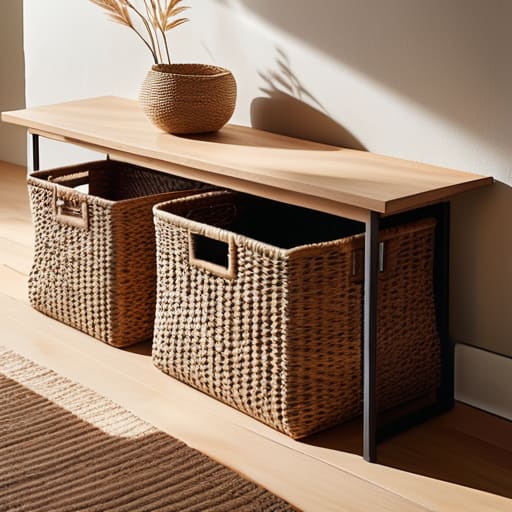
Look, I’ve spent way too much money on those clear acrylic bins that look beautiful in photos but end up being a total nightmare to clean. If you’re looking for effective storage solutions, my best advice is to stop shopping for “looks” and start shopping for function. I’m a big fan of the “open bin” method. Instead of a complicated filing system for your mail or junk drawer, just grab a few sturdy baskets. If a task takes more than three seconds to execute, you probably won’t do it, so make your storage as frictionless as possible.
I also swear by vertical space. My apartment is small, and if I didn’t use command hooks and over-the-door organizers, I’d be tripping over my own shoes. Using your walls isn’t just about saving floor space; it’s about creating a visual reset. When everything has a designated “landing pad” that isn’t a flat surface like a kitchen counter, the chaos naturally subsides. It’s not about achieving a magazine-worthy showroom; it’s about making sure you can actually find your keys when you’re running late.
Low-Effort Habits That Stop the Chaos Before It Starts
- The “One-Touch” Rule: If you pick something up, don’t put it down in a temporary spot. If you take off your coat, hang it up immediately instead of draping it over the kitchen chair. It sounds small, but it saves you from that massive “reset” session on Sunday night.
- Set a 10-Minute “Tidy Timer”: I can’t stand the idea of cleaning for hours, so I just set a timer on my phone for ten minutes before bed. I move through the common areas like a whirlwind, clearing surfaces and putting things back where they belong. When the timer dings, I’m done.
- The “Don’t Leave a Room Empty-Handed” Hack: This is my go-to when I’m moving from the living room to the kitchen. If I see a stray coffee mug or a piece of mail that belongs upstairs, I grab it on my way. It’s basically passive cleaning.
- Stop Buying “Organizing” Bins Until You Actually Need Them: I see people buy these gorgeous, expensive acrylic containers for everything, and honestly? It’s a trap. Until you know exactly what you’re storing and how often you use it, you’re just organizing clutter. Use what you have first.
- Create a “Landing Strip” Near the Door: You need a designated, non-negotiable spot for the stuff that always causes a mess—keys, mail, sunglasses, and your bag. If it doesn’t have a home right by the entrance, it will inevitably end up scattered across the dining table.
The Real-World Bottom Line
Stop trying to curate a museum; focus on creating paths through your rooms so you aren’t tripping over your own life.
If a storage system requires you to be a perfectionist to maintain it, it’s a bad system—toss it and find something more forgiving.
Consistency beats intensity every single time, so aim for five-minute “reset” bursts rather than waiting for a marathon cleaning day that never happens.
The Truth About Tidiness
“Stop trying to curate a museum of your life and start building a home that actually works for you; a house isn’t ‘clean’ because it looks like a catalog, it’s clean when you can actually find your keys and breathe without feeling overwhelmed.”
Maya Sterling
The Bottom Line (Or, How to Stop Stressing)
Look, we’ve covered a lot of ground here, from ditching the expensive, color-coded bin obsession to finding storage solutions that actually survive a busy Tuesday. The main takeaway is that keeping a tidy house isn’t about achieving some flawless, museum-quality state of being; it’s about creating systems that work for your specific brand of chaos. Whether you’re using the laundry basket method to clear the floor or just setting aside ten minutes to reset your kitchen counters, the goal is to reduce the friction in your daily life. If a system feels like a chore you’re constantly failing at, it’s a bad system. Scrap it and try something simpler.
At the end of the day, your home should be a place where you can actually breathe, not a showroom that demands constant maintenance. Please, give yourself permission to let things be a little bit messy sometimes. A pile of mail on the counter or a slightly disorganized junk drawer doesn’t mean you’ve failed at “adulting”—it just means you’re living a real life. Focus on function over aesthetics every single time. If your home supports your routine and makes you feel a little more grounded, then you are winning, regardless of what the influencers on your feed are doing.
Frequently Asked Questions
How do I stay on top of the cleaning when my schedule is constantly changing and I'm working freelance?
Honestly, the “set schedule” approach is my biggest enemy when I’m freelancing. Some weeks I’m drowning in client deadlines, and other weeks I’ve got nothing. Instead of trying to force a Tuesday deep-clean, I use “micro-bursts.” If I have ten minutes between Zoom calls, I tackle one sink or clear one counter. It’s not a grand cleaning day; it’s just keeping the chaos at bay so it doesn’t swallow me whole.
What do I do with all the stuff I can't bring myself to throw away, even if it's just "sentimental" clutter?
Look, I get it. I have a box of old concert tickets and chipped mugs that I refuse to part with. But when sentimental stuff starts suffocating your living space, it’s time for a “memory audit.” Instead of tossing everything, try digitizing. Take a high-quality photo of that bulky, sentimental sweater or old card, then let the physical item go. You keep the memory without the clutter taking up actual square footage.
I don't have a lot of space in my apartment—how can I keep things tidy without buying a million expensive organizers?
Look, I’ve lived in those tiny city apartments where every square inch feels like a battleground. Please, don’t go overboard with those expensive, custom-fit acrylic bins—they’re a budget killer. Instead, shop your own house. Grab old shoeboxes for drawer dividers or use mason jars for small items. The goal is “contained,” not “curated.” If it doesn’t have a designated home, it’s just clutter waiting to happen. Keep it simple and cheap.