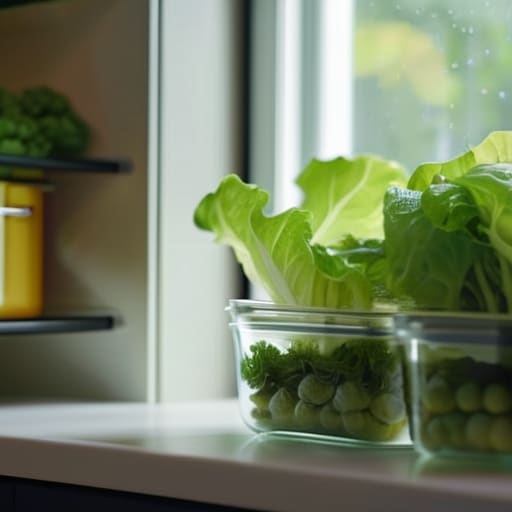
I am so tired of seeing those perfectly curated, beige-toned pantry videos where every grain of quinoa is meticulously leveled in a matching glass jar. Honestly, if I see one more person suggest that you need a $50 investment in aesthetic canisters just to learn how to store food properly, I might actually lose it. Most of that stuff is just performative clutter that makes cleaning a nightmare and costs way too much. I learned the hard way, back when I was living in my first tiny apartment and throwing money away on wilted spinach and fuzzy berries, that you don’t need a designer kitchen to stop wasting groceries.
I’m not here to sell you a lifestyle or a set of expensive containers you’ll never use. Instead, I want to share the messy, tested methods I’ve actually used to keep my food fresh without breaking the bank. We’re going to talk about using the mismatched Tupperware you already own, making sense of your fridge’s weird little drawers, and a few simple habits that actually work in a real, busy life. Let’s get your kitchen running like a well-oiled machine, one practical step at a time.
Table of Contents
Airtight Container Benefits That Actually Stop Food Spoilage
Look, I get it. Seeing those perfectly uniform glass canisters on Instagram makes you feel like your kitchen is a disaster zone, but let’s talk about why we actually care about seals. The real airtight container benefits aren’t about looking cute; they’re about creating a literal barrier between your food and the enemy: oxygen. When air hits your leftovers or your expensive artisanal crackers, it starts a chemical breakdown that turns everything stale or, worse, fuzzy. By locking that air out, you’re essentially hitting the pause button on decay.
It’s also a total game-changer for preventing food spoilage in the fridge. We’ve all been there—you open a container of berries only to find they’ve turned into a sad, mushy mess because of the humidity fluctuations in the crisper drawer. Using a solid seal helps maintain a consistent environment, which is way more effective than just shoving things under a paper towel. Plus, if you’re moving stuff into the deep freeze, a good seal is your best defense for freezer burn prevention, ensuring your frozen veggies actually taste like veggies when you finally cook them.
Pantry Organization Tips for Real Life Not Just Photos
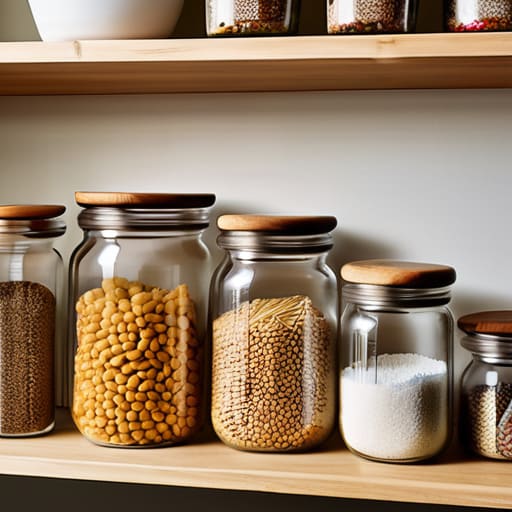
Look, I get the appeal of those perfectly color-coded spice jars and matching wicker baskets you see on Instagram, but let’s be real: that kind of setup is a nightmare to maintain once you actually start cooking. My pantry doesn’t look like a boutique; it looks like a place where things actually get used. Instead of buying a whole new set of matching containers, just focus on grouping “like with like.” Keep your pasta, rice, and lentils in one zone, and your snack stash in another. It’s much more about visibility than aesthetics. If you can’t see what you have, you’re going to end up buying a third bag of flour while the first two hide in the dark, which is just throwing money away.
Another thing that actually works is keeping an eye on the shelf life of common groceries by rotating what you buy. I use a “first in, first out” method—it sounds fancy, but it just means the older cans go to the front. Also, don’t neglect the heavy hitters like oils or spices; keep them away from the stove so the heat doesn’t kill their flavor. It’s not about being perfect; it’s about creating a system that actually sticks when you’re tired after a long workday.
5 ways to stop throwing money in the trash
- Stop treating your crisper drawer like a graveyard. Most people just shove everything in there, but if you want your greens to actually last, you need to pat them dry first. Moisture is the enemy, so if you’re storing lettuce or herbs, tuck them into a paper towel before they go into the container. It’s a tiny extra step that saves me a trip to the grocery store mid-week.
- The “First In, First Out” rule isn’t just for professional kitchens; it’s a lifesaver for my budget. I’ve started making it a habit to move the older yogurt or the slightly wilted spinach to the front of the fridge. If it’s hiding in the back, it’s basically already dead, and I’m just wasting money by pretending it’s still good.
- Don’t be afraid of the freezer for things that aren’t “freezer foods.” If I see my bread is getting a little firm or I have leftover sauce that I know I won’t finish by tomorrow, I portion it out and freeze it immediately. It’s way better than waiting until it’s moldy and feeling guilty about it.
- Learn the “wet vs. dry” divide for your countertop items. I used to keep my onions and potatoes in the same basket because it looked cute, but they ended up rotting way faster because they were sharing humidity. Keep your potatoes in a dark, cool spot and your onions separate—they actually hate each other’s company.
- Use what you actually own instead of buying a matching set of expensive bins. If you have a stack of mismatched plastic containers, use them. The only real rule is that they need to seal well. I’d much rather have a disorganized drawer of functional containers than a beautiful, expensive set that I’m too scared to actually use for leftovers.
The "no-nonsense" summary
Stop overthinking the aesthetic; if a container keeps air out and fits in your fridge, it’s doing its job, whether it matches or not.
Use your pantry for what you actually eat, not what you think you should eat, so you aren’t constantly digging through expired “health food” to find dinner.
Treat your food storage like a system, not a chore—small habits like checking your produce once a week save way more money than any fancy gadget ever will.
The reality of food storage
“I stopped trying to buy matching sets of expensive glass jars and started focusing on one thing: if air can get to it, it’s going to die. Whether it’s a mismatched Tupperware or a cheap clip-on bag, if it’s airtight, it’s working. We don’t need a Pinterest-worthy pantry; we just need food that doesn’t end up in the trash by Tuesday.”
Maya Sterling
Making It Stick
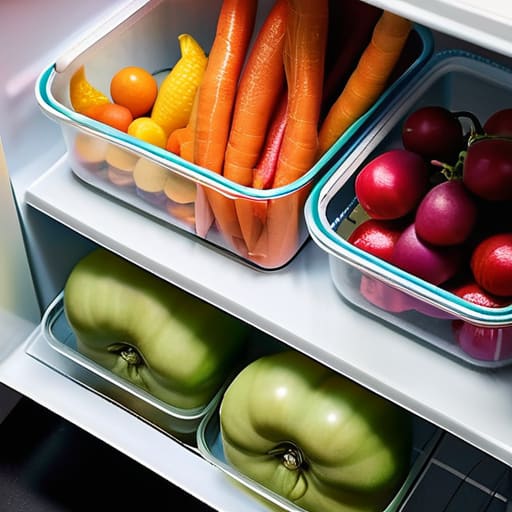
At the end of the day, keeping your food from going bad isn’t about having a perfectly color-coded kitchen that looks like a magazine spread. It’s really just about the basics: grabbing those mismatched containers, keeping your pantry from becoming a black hole, and actually using what you buy before it turns into a science experiment in the back of the fridge. Whether you’re investing in a few decent airtight bins or just getting better at grouping your snacks together, the goal is to stop throwing money in the trash. It’s about creating a system that works for your actual, busy life, not a version of life that only exists on a curated feed.
I know it can feel like just one more thing to manage when you’re already juggling a million tasks, but I promise it gets easier once you find your rhythm. You don’t need to overhaul your entire kitchen overnight to see a difference in your budget and your stress levels. Start small—maybe just tackle one shelf or one drawer this week—and go from there. Life is messy and unpredictable, but having a few functional habits in place can make the chaos feel a whole lot more manageable. You’ve got this.
Frequently Asked Questions
Do I really need to spend money on those expensive matching glass sets, or will my old mismatched plastic containers actually work?
Honestly? Save your money. I used to feel this weird pressure to buy those matching glass sets just to feel “adult,” but it’s a total trap. If your mismatched plastic containers are clean and have decent seals, they do the job just fine. The goal is keeping air out, not having a showroom pantry. Use what you have, stop stressing about the aesthetic, and put that extra cash toward actual groceries instead.
How do I know when something has actually gone bad versus just looking a little "off" or losing its color?
Honestly, this is the question that keeps me hovering over the trash can, wondering if I’m being wasteful or just reckless. My rule of thumb? Trust your nose and your gut. If it smells sour, funky, or just “weird,” toss it. For color changes, if a veggie looks limp, it’s probably just lost its moisture, but if there’s fuzz or slime, it’s a hard no. When in doubt, don’t risk the food poisoning for a five-dollar avocado.
Is there a way to organize my fridge so I’m not constantly digging through the back and finding science experiments in the vegetable drawer?
Ugh, the “science experiment” drawer is a universal struggle—I’ve definitely been there. Honestly, stop trying to make it look like a grocery store display. The trick is visibility. Get some clear, stackable bins so you can see everything at a glance. Use the “First In, First Out” rule: shove the older produce to the front and put the new stuff in the back. If you can’t see it, you won’t eat it.