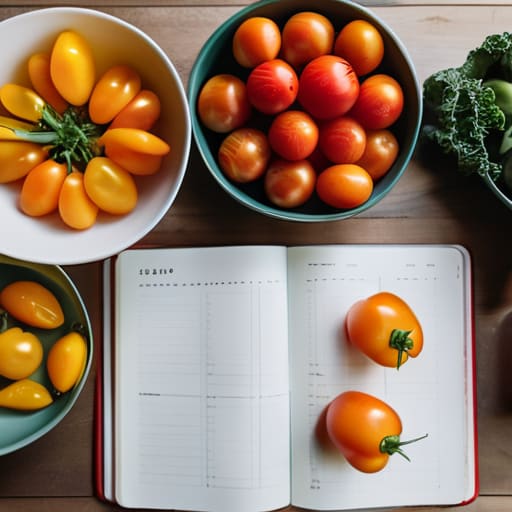
If you’ve ever scrolled through Instagram and felt a pang of guilt looking at those color-coded glass containers filled with perfectly portioned kale and quinoa, please stop. Honestly, those “aesthetic” meal prep videos make me want to throw my multi-tool at the screen. Real life isn’t a curated grid; it’s usually me standing in front of an open fridge at 6:00 PM, wondering why I didn’t figure out how to meal plan better on Sunday. I used to think I had to spend my entire weekend chopping vegetables and prepping elaborate recipes just to stay “organized,” but all that did was leave me exhausted and broke.
I’m not here to sell you on a lifestyle that requires a professional organizer and a massive budget. Instead, I want to share the scrappy, functional systems that actually work for a busy freelancer living in a small apartment. I’m going to show you how to build a routine that prioritizes saving time and money without the performative perfection. We’re going to focus on realistic methods—the kind that embrace the occasional takeout night—so you can actually eat well without it becoming a second full-time job.
Table of Contents
Realistic Meal Prep for Beginners Who Hate Cooking
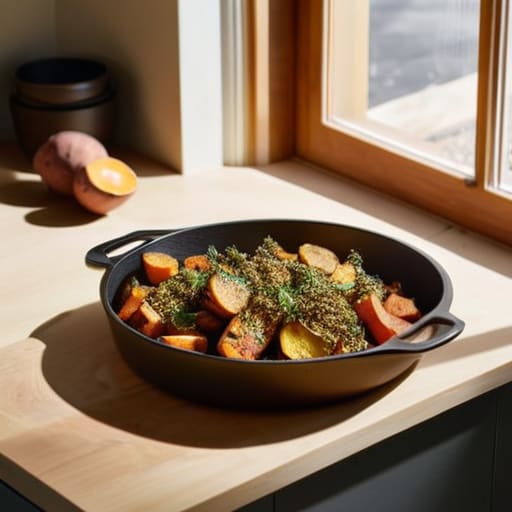
If you’re anything like me, the idea of spending your entire Sunday standing over a steaming stove while listening to a podcast sounds less like “self-care” and more like a chore. Most advice out there makes it seem like you need to spend five hours portioning out Tupperware containers of steamed broccoli and plain chicken breast. Honestly? That’s a one-way ticket to burnout. Instead of aiming for those elaborate, color-coordinated containers, I recommend starting with simple batch cooking strategies. Think of it as “component prepping” rather than full meal assembly. Instead of making three different recipes, just cook a big batch of roasted veggies, a pot of grains, and a protein. It’s way more flexible and much less intimidating.
The goal isn’t to become a sous-chef overnight; it’s to make your Tuesday night easier when you’re exhausted. I’ve found that time saving meal prep actually happens in the small, lazy wins—like buying pre-washed spinach or a rotisserie chicken when the week feels particularly heavy. Focus on building a modular system where you can mix and match ingredients in five minutes or less. This keeps things from feeling like a second job.
Budget Friendly Meal Planning for Real Life Wallets
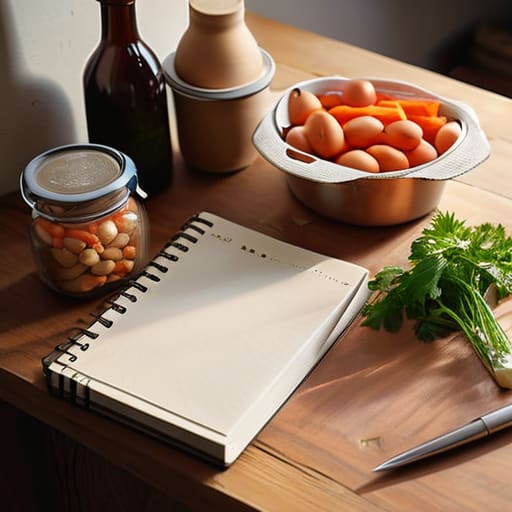
Let’s be real: the biggest lie we’re sold is that eating well requires a massive grocery haul filled with organic, artisanal ingredients that cost more than my monthly rent. If I tried to follow those “aesthetic” pantry restock videos, I’d be broke by Tuesday. Instead, I’ve learned that budget friendly meal planning is actually about working with what you have and being a bit strategic at the store. I always start by checking my fridge and pantry first—it sounds boring, but it stops me from buying a third jar of cumin just because it looked lonely on the shelf.
Once I know what I’m working with, I lean heavily on batch cooking strategies to keep costs down. I’ll cook a massive pot of lentils or a large tray of roasted veggies on a Sunday, which serves as the base for three different meals throughout the week. It’s much cheaper to buy bulk staples like rice, beans, and frozen spinach than it is to grab those expensive pre-packaged “healthy” bowls. By focusing on versatile ingredients, I’m not just saving money; I’m making sure I actually eat something decent instead of defaulting to expensive takeout when I’m tired.
My Low-Stress Rules for Making Meal Planning Actually Stick
- Shop your own pantry first. Before I even look at a grocery app, I do a quick sweep of my cupboards to see what’s hiding in the back. If I have three cans of chickpeas and a box of pasta, that’s my dinner plan right there—it saves me money and prevents that “I have nothing to eat” panic.
- Embrace the “Theme Night” hack. I don’t have the mental bandwidth to invent new recipes every single week, so I keep things predictable. Monday is always taco night, Wednesday is a big batch of something in the slow cooker, and Friday is basically “clean out the fridge” night. It takes the decision fatigue out of the equation.
- Don’t cook everything from scratch. I used to think meal prepping meant spending my entire Sunday hovering over a stove, but now I rely on “semi-homemade” shortcuts. A rotisserie chicken, a bag of pre-washed kale, or a jar of decent pesto can be the backbone of three different meals without me actually “cooking.”
- Build in “buffer days.” Life happens—I get a last-minute freelance project, or I’m just too exhausted to even look at a cutting board. I always leave at least two nights a week unplanned or designated for leftovers so I don’t feel like a failure when my rigid schedule hits a snag.
- Keep a “Repeat List” of easy wins. I have a mental (and sometimes physical) list of five meals that I can make with my eyes closed and that my family actually likes. When I’m too tired to think, I just pick one from the list and call it a day. No stress, no wasted ingredients.
The Bottom Line: Keeping It Simple
Stop trying to cook five-star meals every night; focus on building a rotation of “template” meals that you can swap ingredients in and out of without losing your mind.
Your grocery list should be a tool, not a chore—keep it flexible enough to account for what’s actually on sale or what’s already hiding in the back of your pantry.
Perfection is the enemy of progress, so if you only prep two days of lunches instead of a whole week, count that as a win and move on.
My Meal Planning Philosophy
“Stop trying to prep twenty identical Tupperware containers of steamed broccoli on a Sunday night; meal planning isn’t about being a kitchen robot, it’s just about making sure you aren’t staring blankly at the fridge at 6:00 PM with zero energy and a growing sense of dread.”
Maya Sterling
One Step at a Time
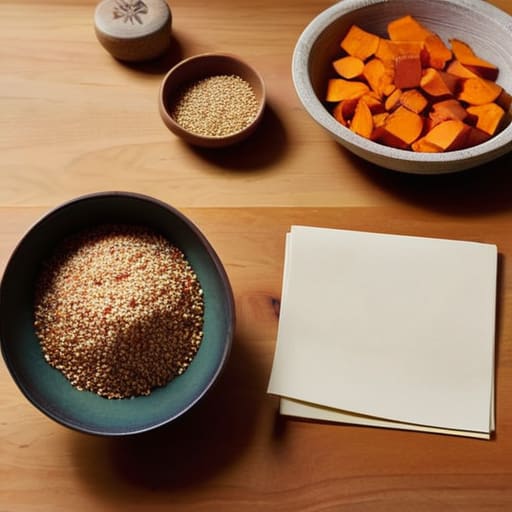
Look, we’ve covered a lot of ground, from ditching the heavy-duty cooking sessions for simple prep to making sure your grocery bill doesn’t give you a heart attack every Tuesday. At the end of the day, meal planning isn’t about having a fridge full of matching glass containers or a color-coded spreadsheet. It’s really just about lowering the mental load of deciding what to eat when you’re tired and hungry. Whether you’re just scribbling a few ideas on a sticky note or prepping one big batch of grains for the week, the goal is to stop the decision fatigue before it starts.
If you mess up and end up ordering takeout three nights in a row, please don’t beat yourself up. I’ve been there more times than I’d like to admit, usually staring blankly at a wilted head of lettuce. The trick isn’t to be perfect; it’s to be consistently good enough. You don’t need a lifestyle overhaul to make this work—you just need a system that serves you, not the other way around. Start small, keep it functional, and remember that progress beats perfection every single time. You’ve got this.
Frequently Asked Questions
How do I handle it when my meal plan goes totally out the window because of a late meeting or a sudden craving for takeout?
Look, I’ve been there. It’s 7:00 PM, you’re exhausted from a meeting that ran way over, and the thought of chopping onions feels impossible. My rule? Don’t scrap the whole week just because one night went sideways. Keep a “emergency stash” of frozen dumplings or quick pasta in the pantry for those exact moments. And if you do order takeout? Enjoy it. Just pivot back to your plan tomorrow without the guilt trip.
Do I really need to spend my entire Sunday in the kitchen, or is there a way to prep without losing my whole weekend?
Absolutely not. If I spent every Sunday marinating and chopping, I’d never actually enjoy my weekend. That’s how you burn out. Instead, I swear by “component prepping.” I don’t cook full meals; I just prep a big batch of grains, roast a tray of veggies, and cook one protein. Then, during the week, I just assemble them differently. It takes forty minutes, not four hours, and keeps things from feeling like a chore.
How do I stop buying all these random ingredients for one specific recipe that just end up rotting in the back of my fridge?
I call this the “Recipe Trap,” and I’ve been there—staring at a jar of specialty tahini or a bundle of lemongrass that I’ll never touch again. My fix? Build your meals around “anchor ingredients” instead. Pick one versatile thing—like a big bag of spinach or a rotisserie chicken—and find three different ways to use it throughout the week. If a recipe requires a single-use ingredient, skip it or find a pantry staple substitute.