I used to think that learning how to cook fish meant I needed a professional-grade kitchen, a degree in culinary arts, and a way to scrub the smell of salmon out of my curtains for three days straight. Every recipe I found online felt like it was written for someone with a ridiculously high budget and way too much free time, complete with obscure seasonings and “chef-only” techniques that just felt intimidating. Honestly, I spent way too many years staring at a piece of tilapia in the grocery store, feeling like I was one wrong move away from a dry, rubbery disaster that would waste my entire paycheck.
I’m over the performative perfection of cooking shows, and I know you are too. In this guide, I’m stripping away the fluff to show you the actual, messy reality of how to cook fish without losing your mind or your dinner. I’m going to share the simple, tested methods I use in my own tiny kitchen to get flaky, delicious results every single time. We aren’t chasing a Michelin star here; we are just looking for reliable systems that make a healthy meal feel doable on a Tuesday night.
Table of Contents
The Best Fish for Beginners Who Hate Complicated Prep
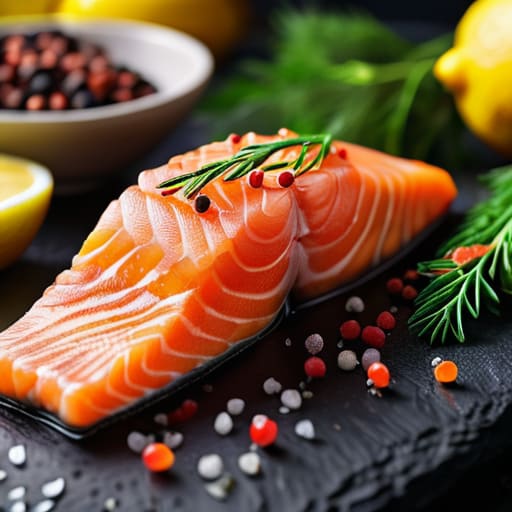
Look, I get it. Walking into the seafood counter can feel like a high-stakes exam you didn’t study for. You’re staring at a wall of silver scales, wondering which one won’t turn into a rubbery, flavorless mess the second it hits the pan. If you’re looking for the best fish for beginners, I always tell people to start with salmon or tilapia. Salmon is incredibly forgiving; even if you overcook it by a minute or two, the fat content keeps it juicy. Tilapia is another great “low-stress” option because it’s mild, cheap, and basically acts as a blank canvas for whatever seafood seasoning ideas you have lying in your pantry.
If you want to step it up just a notch without the panic, try cod or halibut. These are thicker, sturdier white fish that hold up beautifully during pan searing techniques. They don’t fall apart as easily as delicate fillets, which is a huge win when you’re still getting your confidence up. Just remember: don’t feel pressured to buy the most expensive exotic species. The goal here isn’t a Michelin star; it’s a decent meal that doesn’t leave you feeling defeated.
Simple Seafood Seasoning Ideas That Actually Taste Good
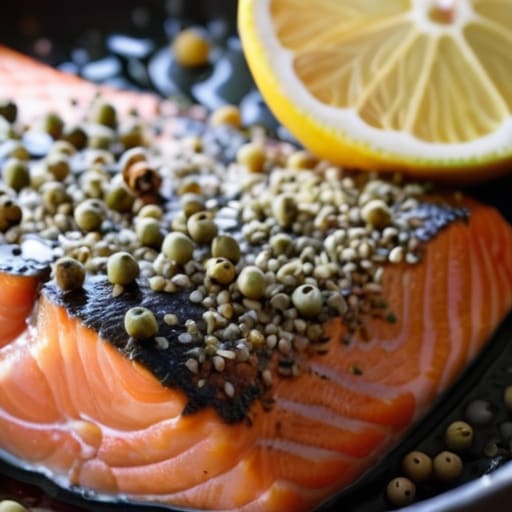
Look, I’ve spent way too many nights staring at a piece of salmon wondering if I should go full gourmet or just keep it simple. If you’re feeling overwhelmed, my rule is this: don’t drown the flavor in heavy sauces. When you’re experimenting with different seafood seasoning ideas, start with the basics that actually work. A generous squeeze of fresh lemon, a crack of black pepper, and some flaky sea salt is often all you need to let the quality of the fish shine. If you want a little more depth without a trip to a specialty spice shop, a light dusting of garlic powder and dried oregano does wonders.
If you’re worried about that lingering scent in your apartment, a little bit of fresh herbs like dill or parsley can work wonders for preventing fishy smell while adding a bright, clean finish. I personally love a “pantry staple” rub: just a mix of smoked paprika, onion powder, and a tiny pinch of cayenne. It gives you a nice crust during your pan searing techniques without requiring a culinary degree. Keep it simple, keep it bright, and you won’t feel like you’ve wasted your money on expensive fillets.
5 Ways to Stop Fearing the Pan (And Actually Enjoy the Results)
- Pat that fish dry like your life depends on it. If you leave moisture on the surface, you aren’t going to get that golden-brown crust; you’re just going to end up with a sad, grey, steamed piece of protein. Grab a paper towel and really get in there before it hits the pan.
- Don’t touch it. I know, it’s tempting to keep flipping it to see if it’s working, but you have to let it sit. If you try to move it too early and it sticks, it’s not ready. Wait until it naturally releases from the pan—that’s the fish telling you it’s time to flip.
- Buy a cheap digital thermometer instead of playing guessing games. I used to rely on “vibes” and timing, but that’s how you end up with something that’s either rubbery or raw in the middle. Aim for 145°F and call it a day; it takes all the anxiety out of the process.
- Watch the heat, not just the clock. If your pan is screaming hot and smoking, turn it down a notch. You want a steady sizzle, not a frantic fire hazard. Cooking fish is about control, not speed.
- Use whatever fat you actually have in the pantry. You don’t need fancy infused oils from a specialty shop. A little bit of butter or even a decent olive oil works perfectly fine. The goal is flavor and heat conduction, not a culinary trophy.
The Bottom Line: Keep It Simple
Don’t stress about getting the “perfect” piece of fish; start with something forgiving like salmon or tilapia so you don’t feel defeated by your first try.
You don’t need a spice cabinet full of exotic ingredients—salt, pepper, a squeeze of lemon, and maybe a bit of butter or oil are all you really need to make it edible.
Stop obsessing over exact timers and just watch the texture; if it flakes easily when you poke it, it’s ready to eat.
Forget the Culinary Perfectionism
“You don’t need a degree in marine biology or a kitchen full of expensive gadgets to make a great piece of fish; you just need to stop overthinking it and start trusting that a little butter, a squeeze of lemon, and a hot pan are more than enough to get the job done.”
Maya Sterling
Stop Overthinking the Pan
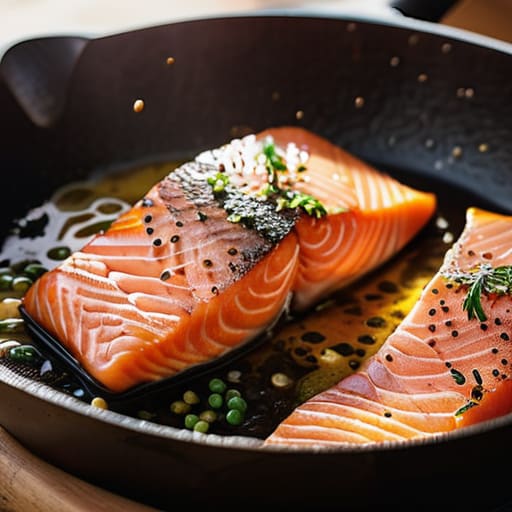
Look, at the end of the day, you don’t need a culinary degree or a kitchen full of specialized gadgets to get a decent meal on the table. Just remember: pick a forgiving fish like salmon or tilapia, keep your seasoning simple so you can actually taste the quality, and don’t be afraid to trust your senses over a rigid timer. If you’ve got a decent non-stick pan and a bit of butter or oil, you are already halfway there. It’s really just about minimizing the friction between being hungry and eating well, without turning your kitchen into a high-stress laboratory every Tuesday night.
I know that first time you drop a fillet into a hot pan, your heart might race a little, but I promise you, the stakes are much lower than they feel. Even if it comes out a little overdone or looks a bit messy on the plate, it’s still going to taste incredible and, more importantly, it’s going to be real food that you made yourself. We spend so much time scrolling through those perfectly staged, color-coordinated cooking videos that we forget the whole point of eating is to fuel our lives. So, grab your spatula, turn up the music, and just give it a shot. You’ve got this.
Frequently Asked Questions
How do I know if the fish is actually fresh and not just sitting in the display case for three days?
Honestly, the smell test is your best friend, but it’s not what you think. If it smells “fishy” or like anything remotely funky, walk away. Fresh fish should smell like the ocean—salty and clean. Also, take a quick look at the eyes; if they’re cloudy or sunken, it’s been sitting too long. You want clear, bright eyes and flesh that springs back when you poke it. If it stays indented, leave it on the shelf.
Is there a way to cook fish without it smelling up my entire apartment for the next 24 hours?
The “fishy apartment” smell is my biggest deterrent, too. Honestly, the best way to avoid it is to ditch the pan-frying method entirely. Searing fish in a skillet sends oils and aromas everywhere. Instead, try baking it in a parchment paper packet (en papillote) or even just covering the dish with foil. It traps all those intense smells inside the oven instead of letting them cling to your curtains and sofa.
Do I really need to buy a fancy non-stick pan, or can I just use what I already have in my kitchen?
Honestly? Don’t go out and drop eighty bucks on a “professional” pan just yet. If you have a basic non-stick skillet that isn’t peeling or scratched, use it. My goal is to make life easier, not to add more clutter to your cabinets. If you’re using stainless steel and panicking about sticking, just try a little more oil or a slightly lower heat. Let’s work with what we’ve got.