
I was sitting on my living room floor last Tuesday, surrounded by three different charging cables and a half-dead laptop, staring at a massive project folder that refused to move from my tablet to my desktop. I felt that familiar, mounting frustration—the kind that makes you want to just throw the whole tech setup out the window. We’ve been sold this idea that knowing how to transfer files between devices should be a seamless, magical experience, but in reality, it usually feels like a clunky battle against software updates and “premium” cloud subscriptions that nobody actually needs.
I’m not here to sell you on some expensive, shiny ecosystem that locks you into a single brand. Instead, I want to share the messy, tried-and-true methods I’ve used to keep my freelance life running without breaking the bank. Whether you’re moving photos from a phone or heavy work documents between computers, I’m going to show you the no-nonsense ways to get your data where it needs to go. We’re skipping the fluff and focusing on what actually works when you’re in a rush.
Table of Contents
- The Fastest Way to Move Large Files Without the Headache
- Ditch the Subscription Reliable Usb Cable Data Transfer Methods
- My low-stress rules for moving files without losing your mind
- The bottom line on moving your stuff
- ## My philosophy on digital clutter
- Finding Your Own Flow
- Frequently Asked Questions
The Fastest Way to Move Large Files Without the Headache
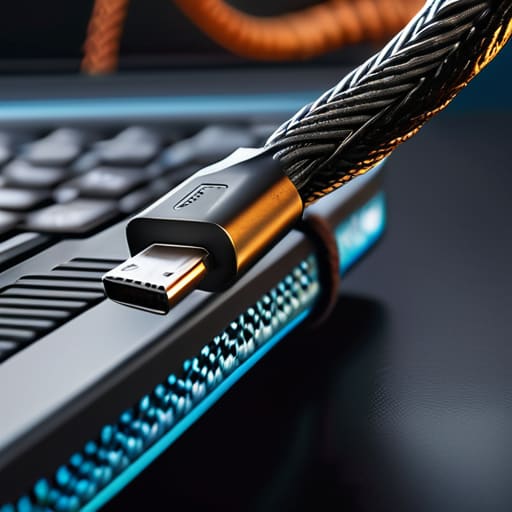
If you’re staring at a 20GB video file and wondering if your Wi-Fi can handle the heat, I’ve been there. I once spent an entire afternoon waiting for a cloud upload only to have my router decide to take a nap. When you need the fastest way to move large files without losing your mind, skip the wireless route and go old school. Honestly, nothing beats a reliable USB cable data transfer. It’s not “high-tech” or flashy, but it’s stable, it’s fast, and it doesn’t care if your internet connection is currently acting like a toddler.
Just plug your phone or external drive directly into your computer, drag the folder, and actually watch the progress bar move in real time. I know, it feels a bit primitive compared to all these fancy wireless file sharing methods we see advertised, but when the files are massive, physical connections win every single time. It saves me so much mental energy to just plug in a cord and know the job is getting done right, rather than praying to the cloud gods that my upload doesn’t fail halfway through.
Ditch the Subscription Reliable Usb Cable Data Transfer Methods
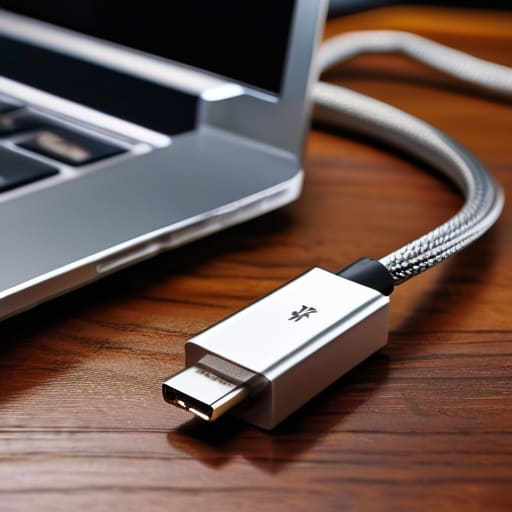
Look, I know the temptation to just toss everything into a cloud folder and hope for the best, but sometimes USB cable data transfer is just the most sensible move. I’ve lost count of how many times I’ve sat there watching a progress bar crawl during a cloud sync, only to realize my Wi-Fi decided to take a nap. When you’re dealing with actual bulk—like a massive folder of project assets or a year’s worth of phone photos—nothing beats the physical reliability of a direct connection. It’s not flashy, and it certainly doesn’t look “aesthetic” sitting on my desk, but it works every single time without a monthly fee.
If you’re transferring data between a phone and a computer, just remember that the cable is your best friend. Whether you’re on a Mac or a PC, the process is straightforward: plug in, set your phone to “File Transfer” mode, and drag your files like you’re moving folders on a desktop. It’s the ultimate no-nonsense method for when you want to get the job done and get back to your actual life.
My low-stress rules for moving files without losing your mind
- Stop overcomplicating it with fancy software; if you’re just moving a few PDFs, a quick email to yourself or a Slack message to your own account is often faster than setting up a whole cloud sync.
- Always double-check your source folder before you hit “delete” on the original device—trust me, I’ve spent far too many Sunday afternoons hunting for a “missing” photo that I thought I’d moved but actually just deleted.
- If you’re working with massive video files, skip the Wi-Fi entirely; even a cheap, old-school USB cable is going to be more stable and way less frustrating than watching a progress bar stall at 99%.
- Keep a “transfer toolkit” in your junk drawer—a couple of reliable USB sticks and a multi-port adapter—so you aren’t scrambling to find a dongle when you’re in the middle of a deadline.
- Rename your files before you move them; there is nothing worse than ending up with a folder full of “IMG_4829.jpg” and having to play detective to figure out what’s what.
The bottom line on moving your stuff
Don’t let “tech anxiety” drive you toward expensive subscriptions; if you’re moving huge files, a physical cable is almost always faster and more reliable than any cloud service.
Choose your method based on the task at hand—use the cloud for quick, small documents, but stick to hard drives or direct connections when you’re dealing with actual heavy lifting like video or photo backups.
Focus on what works for your specific setup rather than what looks the most “high-tech”—the best system is the one that gets your files moved without making you want to throw your laptop out the window.
## My philosophy on digital clutter
“We spend way too much time looking for the ‘perfect’ app or the most expensive cloud subscription when, half the time, a simple cable or a shared folder is all you actually need to get the job done and get back to your real life.”
Maya Sterling
Finding Your Own Flow
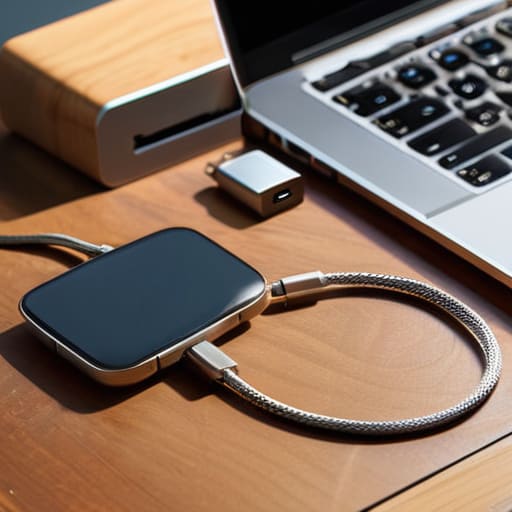
At the end of the day, there isn’t one “perfect” way to move your data—there’s just the way that works for your specific setup and your budget. Whether you’re plugging in a trusty USB cable to avoid those annoying monthly cloud fees or using a quick transfer tool to move a massive video file, the goal is the same: getting the job done so you can move on with your life. You don’t need a high-tech, expensive ecosystem to stay organized; you just need to know which tool to grab from your digital junk drawer when the moment hits.
I know how frustrating it feels when technology seems to stand in your way instead of helping you, but please remember that tech should serve you, not the other way around. Don’t let a file transfer become a mountain of stress or a reason to feel like you aren’t “tech-savvy” enough. Once you have these few basic methods under your belt, you’ll realize that managing your digital life is a lot like my herb garden—it might look a little chaotic sometimes, but with a few simple systems in place, everything stays functional and manageable. Now, go get those files moved and reclaim your afternoon!
Frequently Asked Questions
What happens if my connection drops halfway through a huge transfer?
Ugh, the dreaded progress bar freeze. It’s the worst. Usually, if the connection drops, you’ll end up with a “corrupt” file—basically a digital paperweight that won’t open. To avoid that panic, I always try to use tools that support “resumable transfers.” If you’re using a cable, just check the source folder to see what actually made it over. If it’s a mess, it’s often faster to just wipe the slate clean and restart.
Is it actually safe to use a random thumb drive I found in a drawer to move my files?
Honestly? Don’t do it. I know that “random drawer” is a goldmine for old tech, but using a mystery thumb drive is like picking up a used toothbrush—it’s just asking for trouble. You could be inviting malware or viruses straight onto your laptop. If you really need to use it, scan it with heavy-duty antivirus software first, but honestly, it’s probably not worth the stress. Just grab a fresh one; it’s cheaper than a wiped hard drive.
How do I know if my files actually transferred correctly or if something got corrupted along the way?
Honestly, I used to just cross my fingers and hope for the best, but that’s a recipe for a headache later. The easiest way to check is a quick “spot check”: open a few random files—especially the big ones—on the new device to make sure they aren’t glitchy. If you’re moving something super important, check the file size on both ends. If the numbers match, you’re usually golden.