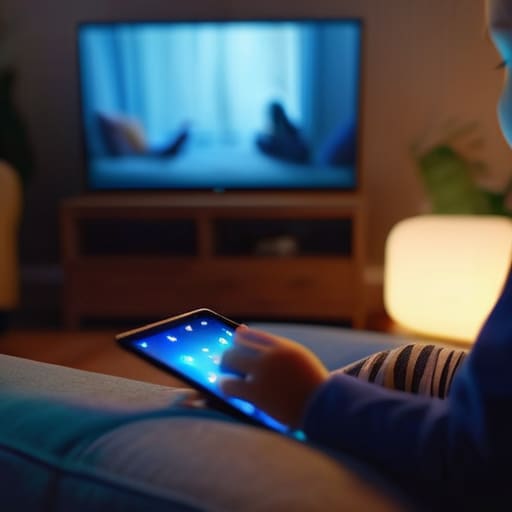
Ever feel like you need a PhD in computer science just to stop your kid from stumbling onto something weird on YouTube? I used to think that setting boundaries meant buying a $200 “smart” router or paying for some high-end subscription service that promised total digital peace of mind. Honestly, it’s all a marketing scam designed to make you feel like you’re failing at modern parenting. I spent way too many nights staring at a glowing screen, frustrated and confused, trying to figure out how to set up parental controls that actually worked without turning my house into a high-security prison.
I’m not here to give you a lecture on “digital wellness” or suggest some aesthetic, color-coded app that takes three hours to configure. Instead, I’m going to show you the messy, functional reality of locking down your devices. I’ve tested the settings, broken the passwords, and found the shortcuts so you don’t have to. We’re going to walk through the specific, no-nonsense steps to secure your home network and individual gadgets, focusing on systems that actually stick so you can get back to your actual life.
Table of Contents
- Real World Digital Safety for Children Without the Tech Headache
- Internet Filtering Settings That Actually Work for Busy Parents
- My No-Stress Cheat Sheet for Keeping the Digital Chaos at Bay
- The Bottom Line: Keeping It Simple and Safe
- ## The Real Goal of Digital Boundaries
- The Bottom Line
- Frequently Asked Questions
Real World Digital Safety for Children Without the Tech Headache

Look, I’m not here to suggest you become a full-time digital detective. I don’t have the bandwidth for that, and honestly, neither do you. My approach to digital safety for children isn’t about hovering over their shoulder every second; it’s about building a digital fence that works in the background. Instead of trying to micromanage every single click, I focus on the heavy lifting: internet filtering settings. If you can toggle a few switches to block the truly dark corners of the web, you’ve already won half the battle. It’s about creating a baseline of safety so you can actually breathe.
Once those filters are in place, the next step is more about managing device usage rather than policing every conversation. I’ve found that setting app restrictions is much more effective than a flat-out ban. If they can only access certain apps during certain hours, it prevents that late-night doomscrolling that leads to meltdowns. It’s not about being the “mean parent”—it’s just about setting boundaries that make sense for a busy, modern household.
Internet Filtering Settings That Actually Work for Busy Parents

Let’s be real: most built-in filters are either way too strict—blocking your kid’s homework research—or way too loose, letting the weird stuff slip through. I’ve learned the hard way that the goal isn’t to build a digital fortress, but to find a middle ground. When it comes to internet filtering settings, I usually start with the heavy hitters like Google SafeSearch or the built-in restrictions on iOS and Android. These aren’t perfect, but they do the heavy lifting of protecting kids from inappropriate content without you having to hover over their shoulder every five minutes.
If you’re feeling a bit more overwhelmed, don’t feel like you have to manually curate every single website. I’m a big fan of using a dedicated router setting or a service like Bark to handle the grunt work. It’s much more efficient than trying to manage every single device individually. My rule of thumb? Start with the broadest net possible and then dial it back as they get older. It’s much easier to loosen the reins later than it is to try and fix a digital disaster that’s already happened.
My No-Stress Cheat Sheet for Keeping the Digital Chaos at Bay
- Stop trying to police every single click and just use the built-in family settings on their devices. Whether it’s Apple’s Screen Time or Google’s Family Link, these tools are already sitting there waiting to be used—you don’t need to buy some expensive, clunky third-party software that’s just going to break anyway.
- Set a “digital sunset” instead of arguing about bedtime. I found that setting an automatic device lock for 8:00 PM works way better than me playing the bad guy every single night; it’s just a system, not a personal attack.
- Don’t forget the router. If you want to actually block the bad stuff across the whole house, check if your Wi-Fi router has built-in controls. It’s a bit more technical to set up once, but it catches the stuff that bypasses individual device settings.
- Use “Search Filters” as your first line of defense. Before you go full lockdown, just make sure Google SafeSearch and YouTube Restricted Mode are toggled on. It’s a low-effort way to filter out the worst of the internet without making your kid feel like they’re living in a digital prison.
- Keep a “grace period” policy. Technology is glitchy and kids are curious; if you make the rules too rigid or punitive, they’ll just find ways to hack around them. I’d rather have a system that’s slightly loose but actually works, than a perfect one that they’ve already figured out how to bypass.
The Bottom Line: Keeping It Simple and Safe
Don’t aim for a digital fortress; just focus on setting up one or two solid layers, like a decent filter and a strict bedtime for devices, so you aren’t constantly playing whack-a-mole with their screen time.
Use the tools you already have—whether it’s the built-in settings on an iPhone or the controls on your router—instead of buying a bunch of expensive, flashy software that you’ll probably forget to manage anyway.
Remember that tech is just a tool, not a babysitter; the most effective “control” is actually just having a quick, honest conversation with your kids about what they’re seeing online.
## The Real Goal of Digital Boundaries
“Parental controls aren’t about building a digital fortress or acting like a tech police officer; they’re just about setting up a few practical guardrails so you can actually breathe while your kids learn to navigate the internet without you hovering over their shoulder 24/7.”
Maya Sterling
The Bottom Line

At the end of the day, setting up parental controls isn’t about building a digital fortress or playing police officer in your own living room. It’s about the small, practical wins we talked about: toggling those filters, setting reasonable time limits, and making sure the “scary stuff” stays behind a curtain. You don’t need to be a tech genius or have a perfectly curated, high-tech home to do this right. Just pick one or two of these tools—the ones that actually fit into your daily chaos—and get them running. Once the basic systems are in place, you can stop worrying about the “what ifs” and get back to actually living your life.
I know it feels overwhelming, especially when it feels like the digital world is moving faster than we can keep up with. But remember, these settings aren’t a permanent fix; they are just functional guardrails to give you both some breathing room. Technology will always change, but the goal remains the same: protecting your peace of mind while your kids learn to navigate the world. You’re doing a great job, and honestly, even if your setup isn’t “perfect,” it’s already better than doing nothing at all. Take a breath, click those buttons, and go enjoy your evening.
Frequently Asked Questions
Will my kids immediately realize I've locked everything down, and how do I handle the inevitable "why can't I play this?" argument?
Let’s be real: they’ll probably notice within five minutes. Kids have a sixth sense for when the digital fun stops. Don’t try to play detective, either—it just makes you look guilty. Instead, frame it as a “safety upgrade” rather than a punishment. When the inevitable “Why can’t I play this?” happens, stay calm. Tell them, “That’s not for your age yet, but let’s find something else we can play together.” Keep it about boundaries, not battles.
Is there a way to manage all these different settings from one single app so I'm not jumping between five different devices every night?
I totally get it—the “app fatigue” is real. I used to spend my entire evening toggling between my router, my kid’s iPad, and my own phone, and it was exhausting. Honestly, the best way to stop the madness is to go with a centralized ecosystem. If you’re all-in on Apple or Google, use their family hubs. If not, look into a smart router with a dedicated app. It’s one dashboard to rule them all.
How do I make sure these filters don't accidentally block the stuff they actually need for school or my own work?
This is the part that keeps me up at night—the fear of a “safety” filter blocking a crucial research site for a history project. My rule of thumb? Don’t go for the “nuclear option” settings. Instead of blocking entire categories, use “allow-lists” for specific educational domains. If something gets blocked, don’t panic. Just keep a quick list of those “oops” URLs on your phone so you can whitelist them in seconds. Keep it flexible.